Clinical intention
What the restoration needs to achieve for this patient, and which matters most: function, appearance, longevity, or a balance of them.
Could you say it in one sentence?

Vertex Dental Laboratory, Bolton
For dentists and practice teams who want the thinking, the handoff and the next step to stay connected.
A case is a conversation before it is a product.
Before anything is made, someone has to understand what it is for: the intention, the references, the date it is needed, and the questions nobody has asked yet.
Clear intent and early questions reduce avoidable uncertainty. That is where a good laboratory relationship begins, and it is where we would like to begin with you.
Scroll to move through the stages. Each one is a conversation worth having, whichever laboratory you work with.
Start with what the restoration needs to do for this patient, not only what it is. A sentence of intent gives everything after it something to be measured against.
A question to bring to the first callWhat matters most in this case, and what would we regret getting wrong?
Name the unknowns while changes are still simple: a shade, a space, a contact, an opposing arch. A question asked before production costs far less than one found after.
A question to bring to the first callWhat are we unsure about, and who needs to weigh in?
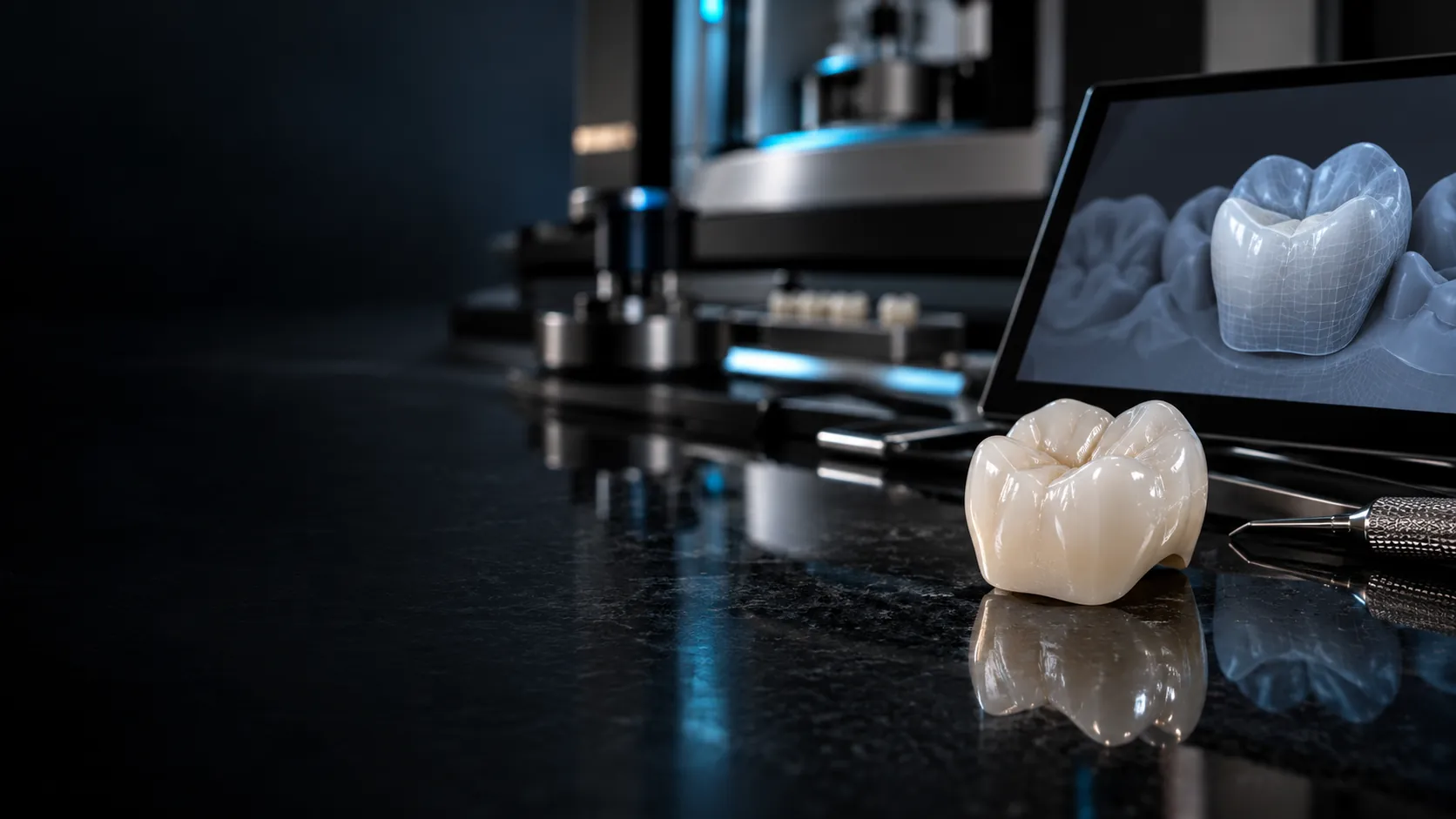
A case is easier to carry when the practice and the laboratory keep returning to the same conversation, rather than to scattered messages and half-remembered calls.
A question to bring to the first callHow will updates reach us, and who do we speak to if something changes?
Fit, finish and handling are all information. Carry what you notice into the next brief, and the next handoff starts a little further ahead.
A question to bring to the first callHow do we want to review a case once it is back?
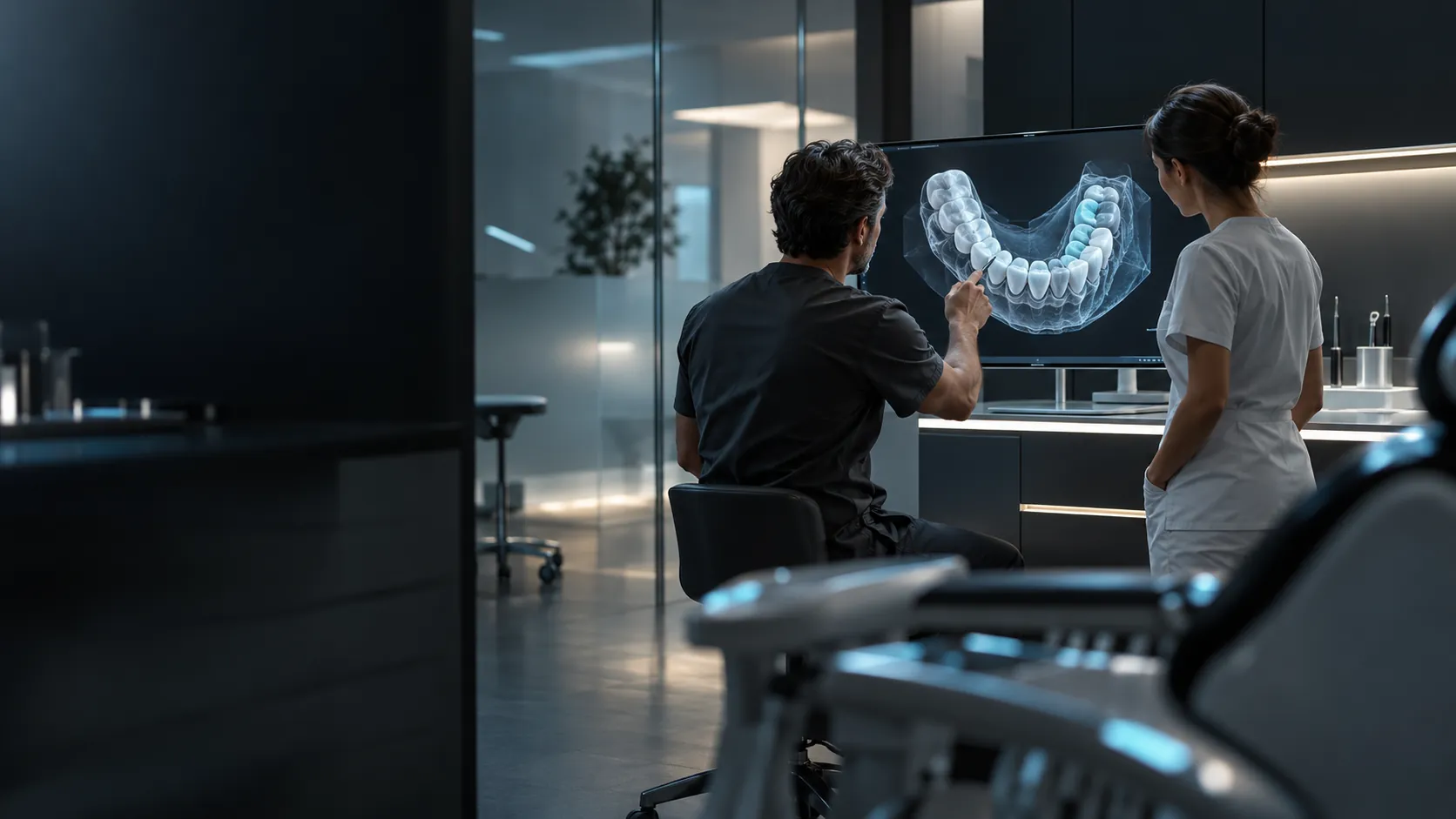
These are conversation stages, not service commitments. Ask Vertex how each one works for your practice. Imagery here is AI-generated concept imagery, not the Vertex laboratory.
Most good first conversations cover the same ground. You do not need a portal or a folder of paperwork, only a clear sense of each.
This page does not collect case information. There is no form and no upload.
What the restoration needs to achieve for this patient, and which matters most: function, appearance, longevity, or a balance of them.
Could you say it in one sentence?
The photographs, scans, models and notes your team would normally share, and anything that explains why this case is different from the usual.
Is there one thing that would help a stranger understand this case?
When the case needs to be fitted, how much flexibility there is, and what depends on that date. Ask what is realistic rather than assuming.
What happens on your side if the date moves?
Anything you are unsure about, however small: shade, space, contacts, materials, the opposing arch. Questions cost least before work begins.
What would you rather ask now than find out later?
Four things a team may want to talk through when a restoration is on the bench.
What a team may discuss
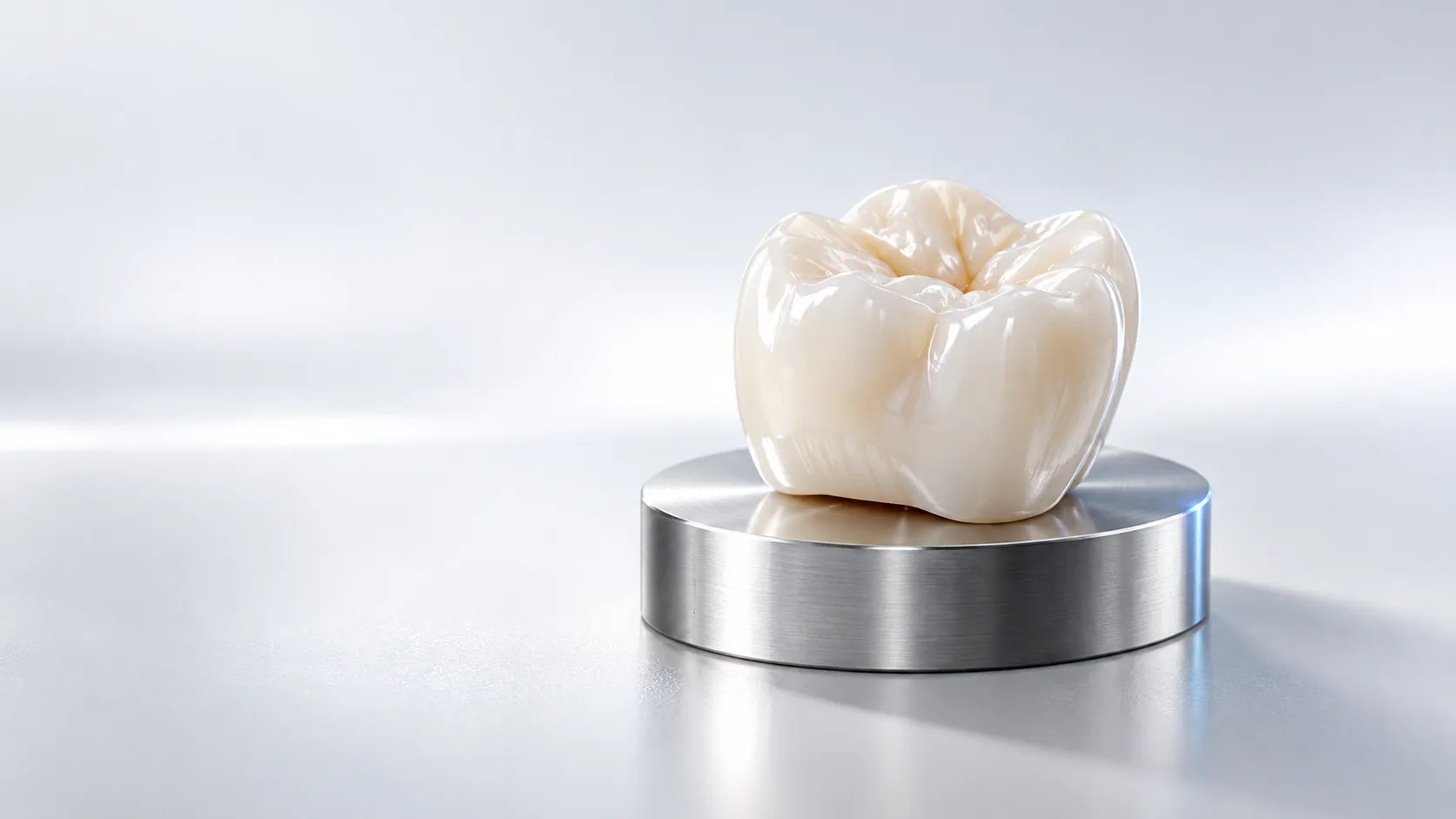
Concept imagery of a generic crown. It is not an example of Vertex work, and the labels describe topics for discussion, not a guarantee.
When the handoff is clear, the benefit is not only for the dentist. The whole practice feels it.
Your reasoning travels with the case.
Nobody has to chase for context.
The next step is easy to explain.
An illustration, not a case study.
The dentist says aloud what this case needs to achieve. Someone writes it down in a sentence, along with the one thing they are unsure about.
The patient rings to ask what happens next. The treatment coordinator answers from what was agreed, not from guesswork.
The nurse opens it, and the first question, “what did we ask for?”, already has an answer.
A first call is only a conversation. Here is a simple way to use it, and what to have ready.
Your practice, the kind of case you are considering and roughly when. No patient names are needed.
What the case needs to achieve, and what you are not yet sure about.
Services, materials, timing, how updates reach you and how case files should be shared. These are not listed on this page yet, so ask directly.
That might be a first case, a visit, or simply more questions. You decide.
A short list to tick off. Nothing you tick here is saved or sent.
Ordinary email is not a safe place for it. Describe the case in general terms on the call and agree how to share files from there.
143 Tonge Moor Rd
Bolton BL2 2HR
United Kingdom
Not published yet. Please call.